While Dubai is globally famous for futuristic skyscrapers and massive luxury malls, the heart of the city beats in its historic districts. Long before the modern skyline was built, Dubai thrived as a peaceful fishing and pearl-diving community along the Dubai Creek.
If you want to experience authentic Emirati heritage, Old Dubai offers restored wind-tower quarters, traditional markets, and centuries-old forts.
In this comprehensive travel guide, you will uncover:
- The most famous historic neighborhoods in Dubai
- Essential cultural centers and traditional markets
- Practical itinerary tips for navigating Old Dubai
Why Old Dubai Belongs on Your Travel Itinerary
Many first-time visitors assume Dubai was constructed overnight. However, the city's story officially traces back to 1833, when the Bani Yas tribe established a pearl-diving and trading settlement along the historic Dubai Creek.
Understanding this heritage transforms a standard sightseeing vacation into a memorable cultural journey. Today, these stories remain preserved across Bur Dubai, Deira, and the surrounding historic zones.
Historic Neighborhoods You Can't Miss
1. Al Fahidi Historical Neighborhood (Al Bastakiya)
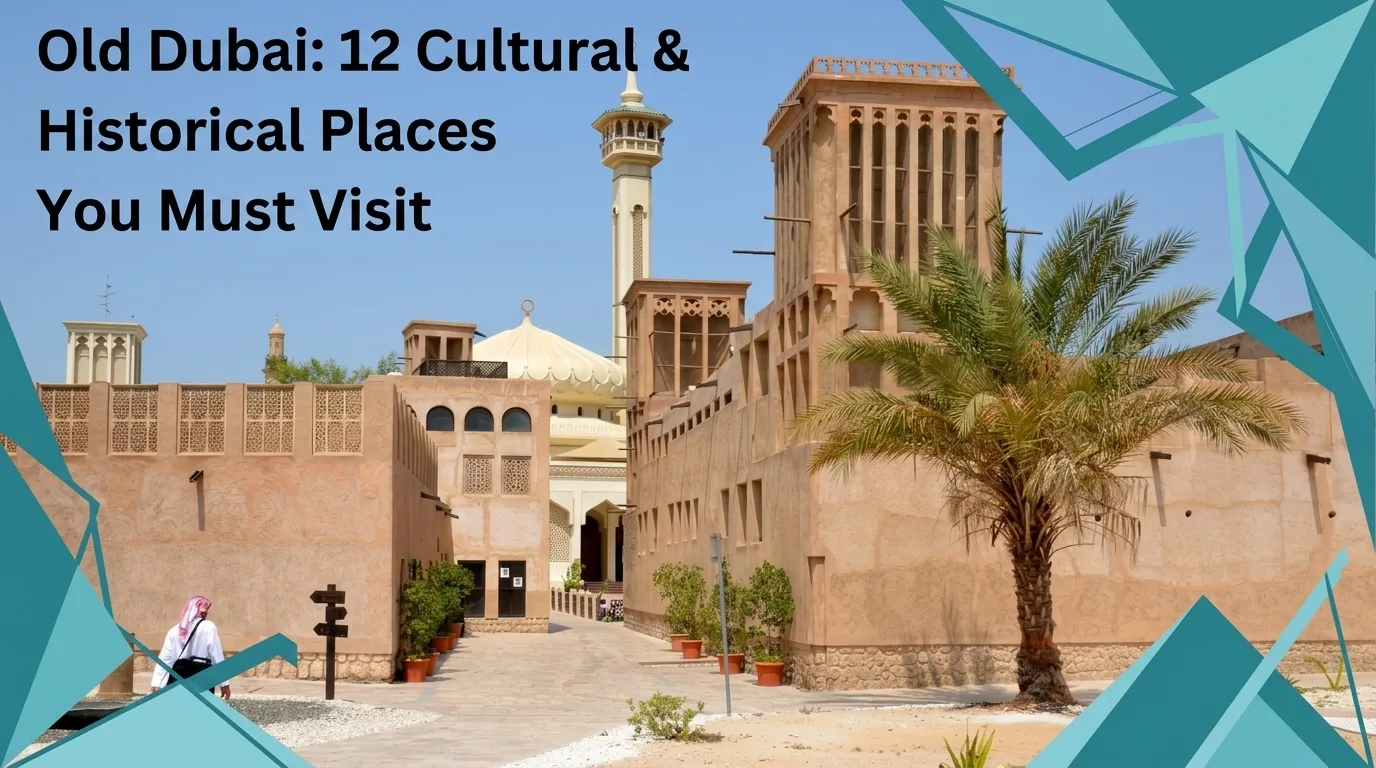
As the primary baseline for any heritage tour, Al Bastakiya features traditional coral-stone architecture and wind towers that provided ancient air conditioning. Today, its restored narrow alleys house art galleries, boutique cafes, and local cultural exhibits. Plan at least two hours to stroll through this tranquil district.
2. Dubai Creek & Traditional Abra Rides
The historic saltwater Creek is where Dubai’s trading legacy originated. Boarding a traditional wooden Abra ferry for a quick ride across the water costs just 1 AED and gives you an authentic view of the old trading docks.
(If you prefer navigating the city in total privacy and comfort rather than public transport, you can also consider booking a professional Dubai chauffeur service for your day tours.)
3. Al Seef Waterfront
Combining classic Emirati design with modern amenities, Al Seef offers a picturesque promenade along Dubai Creek. It provides an accessible, family-friendly introduction to heritage aesthetics.
Essential Museums & Architectural Landmarks
4. Dubai Museum at Al Fahidi Fort
Built inside Dubai’s oldest standing structure, this museum maps the emirate’s rapid transition from a quiet pearl-diving outpost to a global metropolis. (Note: Check operating hours prior to visiting as renovations occasionally restrict main hall access.)
5. Sheikh Mohammed Centre for Cultural Understanding (SMCCU)
For authentic cross-cultural dialogue, SMCCU offers structured cultural meals hosted in a traditional majlis setting. Guests can ask questions about Emirati customs, dress code, and religion while enjoying traditional Arabic coffee and dates.
6. Jumeirah Mosque
As one of the few mosques open to non-Muslim visitors, Jumeirah Mosque offers educational guided tours focused on Islamic architecture and Emirati religious customs.
7. Bur Dubai Grand Mosque
Located near the Bur Dubai souks, this impressive mosque features the city's tallest minaret and stands as a major center for worship.
8. Mohammed Bin Rashid Library
Situated right on Dubai Creek, this boat-shaped architectural marvel holds over one million books, art exhibits, and peaceful reading halls.
Traditional Souks and Local Markets
9. Gold Souk
Located in Deira, the famous Gold Souk features hundreds of glittering storefronts showcasing intricate gold, silver, and gemstone jewelry. It reflects decades of regional trading heritage.
10. Spice Souk
Just steps from the Gold Souk, this vibrant market is filled with aromatic sacks of saffron, frankincense, herbs, and exotic spices. Bargaining here is an essential part of the experience.
11. Coffee Museum in Al Bastakiya
Tucked inside the historic Al Fahidi district, this niche museum highlights the history of coffee and regional hospitality traditions across the Arab world.
12. Alserkal Avenue
While modern, this converted industrial sanctuary in Al Quoz represents Dubai’s modern cultural movement with contemporary art studios, creative pop-ups, and indie cinema galleries.
Quick Reference: Old Dubai Highlights
| Destination / Site | Ideal For | Recommended Duration |
|---|---|---|
| Al Fahidi Quarter | Heritage Architecture & Art Galleries | 2–3 Hours |
| Dubai Creek Abra Crossing | Authentic Water Transit Experience | 30–45 Mins |
| SMCCU Majlis | Emirati Cultural Immersion & Food | 1.5–2 Hours |
| Gold & Spice Souks | Market Shopping & Photography | 1–2 Hours |
Tips for Planning Your Cultural Day Trip
- Timing: Visit open-air markets and historical alleys during early mornings or late afternoons to avoid the midday heat.
- Dress Code: Wear modest clothing covering shoulders and knees when visiting mosques and cultural centers.
- Bookings: Reserve cultural meal sessions at SMCCU in advance.
Where to Stay & Property Options for Travelers
When planning your heritage itinerary in Old Dubai, staying in a centrally located property ensures quick access to both historic landmarks and modern attractions.
- If you are a traveler looking for a comfortable stay close to top locations, browse our curated list of holiday homes Dubai.
- If you own a property in these historical or nearby areas and want to host travelers, check out our end-to-end property management Dubai services.